
How to Stay Safe Before, During, and After a New Unit Is Put In
water heater installation safety considerations start with the basics: shut off power or gas, turn off the water supply, use the right venting and drain parts, and follow local code. A water heater can leak, tip, overheat, or release gas if it is set up the wrong way. In Benton, AR, this matters even more when homes have older plumbing, tight utility spaces, or poor airflow. A safe setup protects your home, your family, and the life of the unit.
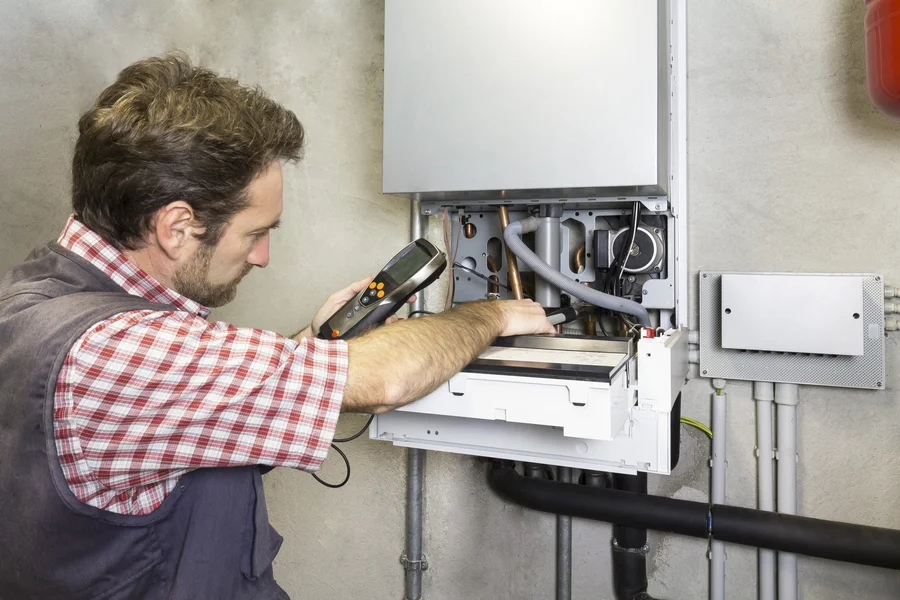
What You Need Before Starting
Before any water heater installation begins, it helps to know what type of unit is going in and what the space requires. A gas model needs proper fuel line work and safe venting. An electric model needs the correct breaker size and wiring. Both need a stable base, shutoff access, and room for service.
You should also gather basic facts before the job starts. This includes the tank size, fuel type, age of the old unit, and the condition of nearby pipes. The service category keyword may be broad, but it still connects here because safe planning is part of any home service job.
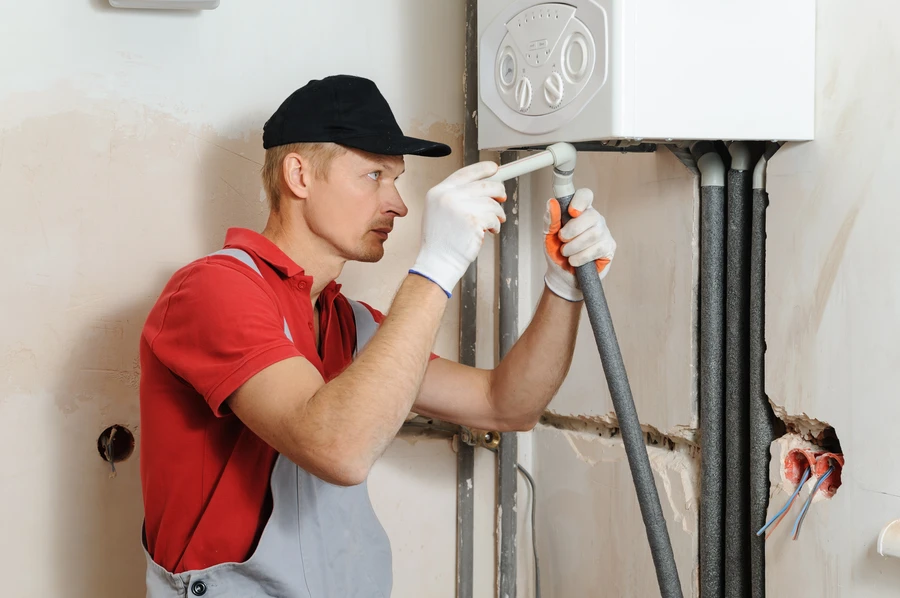
- Correct unit size for the home’s hot water needs
- Working shutoff valves for water, gas, or power
- A drain pan where needed
- Safe vent materials for gas units
- Proper pipe fittings and pressure relief piping
- Enough space around the heater for airflow and repairs
Step-by-Step Process
A safe water heater installation follows a clear order. Skipping steps can lead to leaks, poor heating, or safety risks.
- Turn off the fuel source. Shut off the breaker for electric units or the gas valve for gas units.
- Turn off the main water supply to the heater.
- Drain the old tank fully before removal.
- Move the old unit out with care, since tanks are heavy and awkward.
- Set the new unit on a flat, stable surface.
- Connect the water lines with the right fittings.
- Install the temperature and pressure relief valve and discharge pipe.
- Hook up venting for gas models and check for proper draft.
- Connect wiring for electric models or gas lines for gas models.
- Fill the tank completely before turning the unit on.
- Check every joint for leaks.
- Test the unit and confirm safe operation.
Common Mistakes to Avoid
Many safety problems come from small mistakes. One common issue is turning on an electric unit before the tank is full. That can burn out the heating elements fast. Another problem is using the wrong vent pipe on a gas heater. Bad venting can send harmful exhaust into the home.
Some people also forget about the relief valve discharge pipe. That pipe needs to direct hot water safely downward if pressure builds in the tank. A missing or poorly placed pipe can create a burn risk. Loose water connections are another frequent issue. Even a slow drip can damage floors and walls over time.
Tank placement matters too. If the heater sits unevenly, it can strain water lines and fittings. In homes with limited space, blocked access can make future repairs harder and less safe.
When to Call a Professional
Some parts of water heater installation are not good DIY tasks. Gas line work, venting, code compliance, and electrical connections often need trained hands. If the old heater failed in a strange way, such as rust around fittings, repeated pilot issues, or signs of overheating, there may be a larger problem in the system.
A professional should also step in when you notice any of these problems:
- The water smells like gas
- The vent pipe is damaged or loose
- The breaker trips when the heater runs
- The area has signs of water damage or mold
- The pressure relief valve keeps dripping
- The home has old piping that may not meet current code
Expert help can also make sense when replacing a tank with a different size or fuel type. Those changes often affect venting, wiring, pipe layout, or permit needs.
Extra Safety Habits After Installation
Safety does not stop once the unit is running. After the heater is in place, check the area every so often for leaks, rust spots, or odd smells. Keep storage away from the heater, especially paint, boxes, and cleaning chemicals. Gas units need clear air space around them.
Set the thermostat to a safe level. Many homes do well around 120 degrees. That helps lower burn risk while still giving enough hot water for daily use. If children or older adults live in the home, safe temperature settings matter even more.
It also helps to flush the tank now and then if the manufacturer calls for it. Sediment buildup can reduce heating power and add strain to the unit. A simple yearly check can catch small problems before they become larger ones.
Final Recommendation
If you are thinking about a new unit, the safest path is to treat water heater installation as more than just swapping one tank for another. Safe fuel hookup, pressure control, venting, and leak checks all matter. If anything about the setup looks off, smells odd, or feels beyond your skill level, getting trained help is the smart move.
Need Help With the Next Step?
If you are in Benton, AR and want a safer setup, call (501) 317-5567 to talk with me about your home’s needs. I can walk you through the warning signs, explain the work in plain language, and help you decide if 5 to 10 Plumbing is the right fit for your next water heater installation.