
Simple Steps Help You Avoid Leaks, Poor Heating, and Safety Problems
common mistakes during water heater installation often happen when people rush the job, skip basic safety steps, or use the wrong parts. A small error can lead to leaks, weak hot water, high energy use, or damage to the unit. The best way to avoid trouble is to plan the job, follow the right order, and know when the work is too risky for a DIY repair.
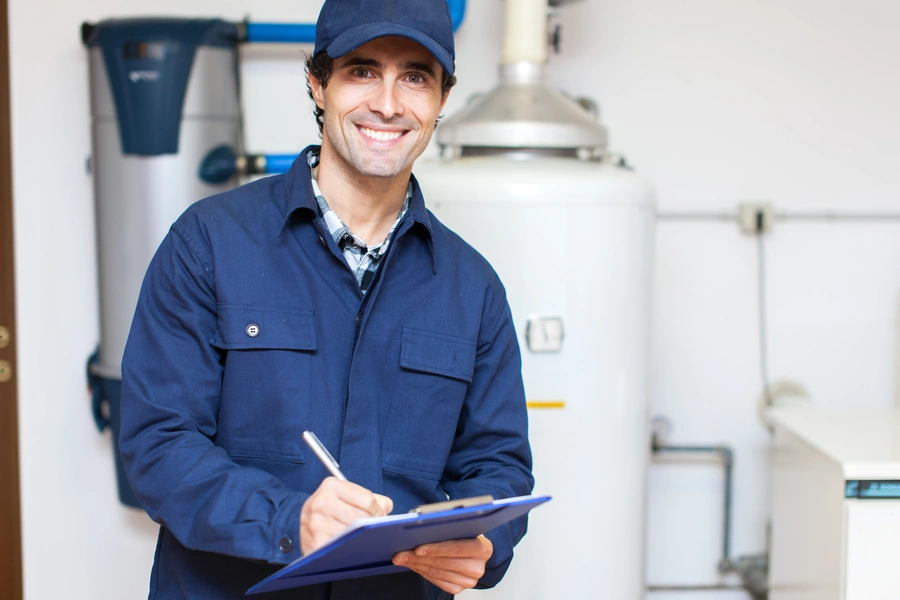
Quick Answer
Most problems during water heater installation come from bad sizing, poor venting, loose pipe connections, wrong pressure settings, and missed code rules. Some people also forget to check the floor, power source, gas line, or shut off valves before they start. A careful setup helps the system run safely and last longer.
What You Need Before Starting
Before any water heater installation begins, it helps to gather the right tools, parts, and basic facts about the home. This includes knowing the fuel type, tank size, and where the unit will sit. It also helps to check local code rules in Benton, AR if permits or inspections may apply.
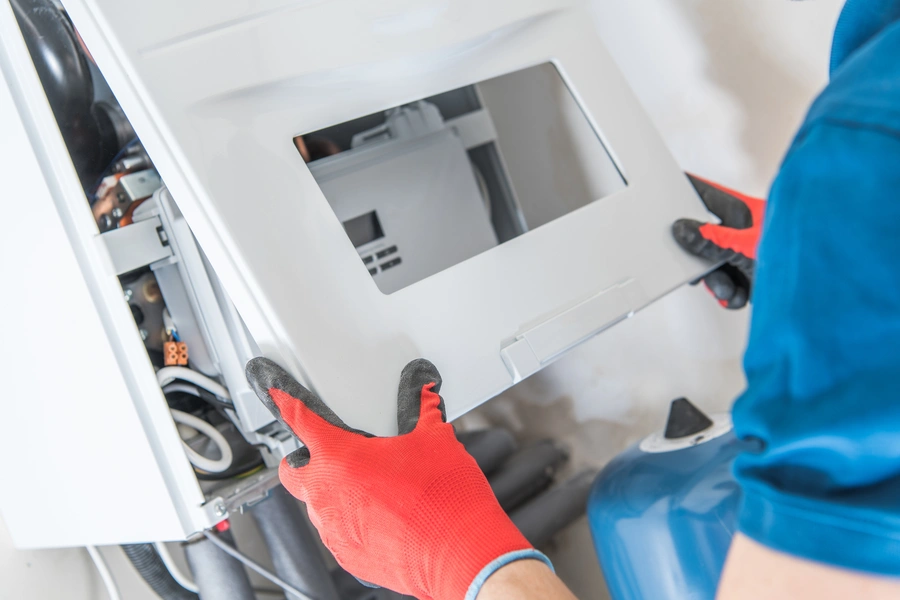
- Correct size tank or unit for the home
- Shut off access for water, gas, or power
- Proper vent parts if the heater uses gas
- Drain pan if the unit sits in a finished area
- Pipe fittings that match the existing lines
- Pressure relief valve and discharge pipe
- Basic hand tools and leak testing supplies
Many service category jobs like this go wrong before the unit is even connected. If the new heater does not match the home’s needs, the rest of the job starts off on the wrong foot.
Step-by-Step Process
A simple process lowers the chance of mistakes. Each step should be done in order. Skipping one can create a bigger issue later.
- Turn off the water supply and the power or gas.
- Drain and remove the old unit carefully.
- Check the floor, space, and nearby connections.
- Set the new heater level and in the right position.
- Connect water lines with the correct fittings.
- Install the temperature and pressure relief parts.
- Connect venting or power based on unit type.
- Fill the tank before turning power back on.
- Check for leaks, test hot water, and verify safe operation.
One common example is an electric unit turned on before the tank is full. That can burn out the heating elements very fast. Another example is a gas unit with poor vent connection, which can create dangerous exhaust issues.
Common Mistakes to Avoid
Some mistakes show up again and again during water heater installation. These problems may seem small at first, but they can lead to costly repairs.
- Choosing a tank that is too small or too large
- Forgetting to check the vent slope and seal points
- Using mixed metal fittings without proper connectors
- Leaving pipe joints too loose or over-tightened
- Placing the unit on an uneven surface
- Skipping the drain pan where water damage is possible
- Ignoring the relief valve or using the wrong discharge pipe
- Setting water temperature too high
- Failing to test for leaks before full use
- Not checking local code rules and permit needs
Another mistake is poor placement. If the unit is hard to reach, future service becomes harder. If it is too close to walls or stored items, airflow and safety can suffer. In tight spaces, even one inch can matter.
When to Call a Professional
Some parts of water heater installation are better left to a trained pro. Gas lines, electrical work, venting, and code compliance can be risky for a homeowner. If the old unit leaked for a long time, hidden floor damage may also need attention before the new heater goes in.
You should get expert help if you notice any of these issues:
- The new heater needs a different fuel type
- The vent must be changed or extended
- The wiring does not match the unit needs
- The shut off valves do not work
- The space has signs of rot, mold, or rust
- You are not sure about permit or inspection rules
A professional can also check expansion control, earthquake straps where needed, and safe temperature settings. These details help prevent future trouble and keep the system working the way it should.
Final Recommendation
If you want to avoid common mistakes during water heater installation, slow down and check every part before the unit goes live. A good install is not just about getting hot water back on. It is about safe venting, solid connections, proper sizing, and a full system test. If the job feels bigger than expected in Benton, AR, call me at (501) 317-5567. I am with 5 to 10 Plumbing, and I can help you decide the next step with clear, honest advice.